

Quick answer
Sicily is known for Nero d'Avola, a powerful red grape producing wines with dark fruit and spice, and Etna Rosso, made from Nerello Mascalese grown on Mount Etna's volcanic slopes. The island cultivates over twenty native varietals including Grillo, Catarratto, and Frappato, many predating Roman conquest. Fortified Marsala and sweet Passito di Pantelleria round out the island's wine heritage, both protected by denomination regulations.
Sicily's winemaking lineage stretches back to Phoenician traders who planted vines along the western coast in the eighth century BCE. What makes Sicilian wine distinctive today is not age alone but geological accident: volcanic eruptions, limestone seabeds, and wind-sculpted plateaus created terroirs that favor grapes adapted to Mediterranean extremes. The island's signature red, Nero d'Avola, thrives in the sun-baked southeast, yielding wines with dense tannins and notes of black cherry and tobacco. On Mount Etna's northern face, Nerello Mascalese grows in mineral-rich ash at altitudes reaching 1,000 meters, producing elegant, age-worthy reds that bear little resemblance to the fuller-bodied styles found elsewhere on the island. White wine production centers on native varieties like Grillo, the backbone of modern Marsala and increasingly bottled as a fresh, citrus-driven table wine, and Catarratto, Sicily's most widely planted grape. The island's northwestern Trapani province remains the historic heart of fortified wine production, where Marsala's oxidative aging process developed under British influence in the late 1700s. In contrast, Pantelleria's Zibibbo grape—known elsewhere as Muscat of Alexandria—is dried to concentrate sugars for Passito, a dessert wine shaped by the island's North African proximity and relentless sirocco winds. What wine is Sicily known for extends beyond individual bottles to a broader shift in quality and ambition. The last three decades have seen producers reclaim forgotten hillside vineyards, revive near-extinct varietals like Perricone and Nerello Cappuccio, and earn international recognition for wines that reflect place rather than trend. The Cerasuolo di Vittoria appellation, blending Nero d'Avola with Frappato, demonstrates how Sicily balances power with finesse. Etna's DOC system now delineates contrade—named vineyard districts—with the precision once reserved for Burgundy. Visiting Sicily's wine country means engaging with this layered history directly. Independent wineries across the island welcome guests for tastings, many offering tours through centuries-old cellars or walks among pre-phylloxera vines. The optimal window for vineyard visits runs from spring through early autumn, when winemakers are accessible and the landscape reveals the diversity that defines Sicilian viticulture.
“Sicily cultivates over twenty native grape varieties, many predating Roman conquest, across terroirs shaped by volcanic eruptions and limestone seabeds.”
What Wine Is Sicily Known For: Signature Varietals and Regional Styles
Sicily offers a diverse viticultural landscape defined by volcanic soil and Mediterranean influences, producing distinct varietals. The region is characterized by indigenous grapes that express the unique terroir of the island.
Nero d'Avola's prominence
Nero d'Avola is Sicily's most significant red grape, known for its deep color and notes of dark cherry and spice. It thrives in the warm, dry climate of the southern and central parts of the island.
Etna Rosso's volcanic character
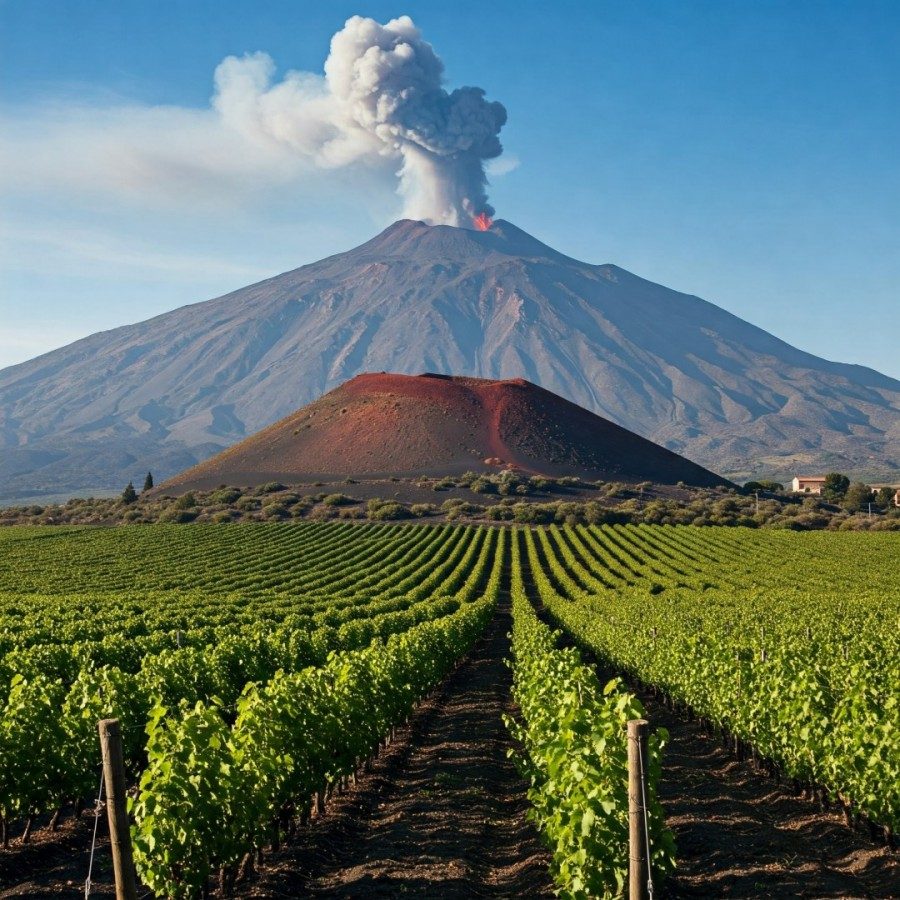
Produced primarily from the Nerello Mascalese grape, Etna Rosso wines are grown in the mineral-rich volcanic soils of Mount Etna. These wines are recognized for their high acidity, elegant tannins, and earthy, smoky profile.
Grillo's coastal adaptability
Grillo is the island's flagship white grape, historically used in Marsala production but now highly regarded as a crisp, dry varietal. It displays vibrant citrus and herbal characteristics that reflect the coastal growing conditions.
Nerello Mascalese's high-altitude growth
This variety is primarily cultivated on the slopes of Mount Etna at varying altitudes, which contributes to its complex aromatic profile. It is often compared to Pinot Noir due to its light color and refined structure.
Indigenous grape variety preservation
Sicily maintains a high percentage of indigenous grapes, such as Catarratto and Carricante, which have been cultivated on the island for centuries. These varieties are essential for maintaining the regional identity of Sicilian winemaking.
Volcanic soil influence
The mineral composition of the soil around Mount Etna provides a unique environment that impacts the vine's nutrient uptake. This specific terroir is a key factor in the distinct flavor profiles found in wines from this sub-region.
Best Time to Visit When Learning What Wine Is Sicily Known For
The optimal windows for exploring Sicilian vineyards are spring and autumn, when temperatures remain mild and winery operations are most accessible. For daily visits, visitors should adhere to the best arrival window of 09:00–17:00 to ensure staff availability for tastings.
Spring (April–May)
Moderate crowdsMild, 18°C–22°C. Ideal for exploring vineyards before the summer heat.
Autumn (September–October)
Moderate crowdsPleasant, 20°C–25°C. This period often aligns with the grape harvest.
Weekday mornings
Low crowds—. The best time to engage with vineyard staff for quieter tasting experiences.
Daily Arrival Window
Consistent—. Ensure arrival between 09:00–17:00 for optimal access to winery facilities.
Verdict: Plan your visit during the spring or autumn months and schedule winery arrivals between 09:00 and 17:00.
Admission Costs When Discovering What Wine Is Sicily Known For
Sicily is a wine-producing region with numerous independent wineries rather than a single attraction, meaning there is no central entrance fee. Individual costs depend entirely on the specific winery or tasting experience selected.
A typical visitor pays 0 EUR for regional access, with actual costs incurred only through independent tasting fees set by individual wineries.
Getting to the Vineyards to Experience What Wine Is Sicily Known For
Sicily is an expansive island, and most of its renowned wine estates are located in rural areas not served by public transit. Renting a car remains the most practical method for reaching vineyards across the island's diverse regions.
SS113 or SS115 coastal roads
Trenitalia regional lines to major hubs like Marsala or Catania
AST or Interbus regional services to provincial towns
Insider Tips for Understanding What Wine Is Sicily Known For
Navigating Sicily's diverse wine culture requires preparation to ensure access to the region's most reputable producers.
Prioritize direct appointments
Most independent Sicilian wineries operate by appointment only, so email producers directly at least two weeks before your arrival. Do not rely on walk-ins as staff are often busy in the vineyards or production facilities.
Learn the DOCG classifications
Familiarize yourself with Cerasuolo di Vittoria, Sicily’s only DOCG, to understand the specific quality standards associated with the island's flagship blends. Knowing these denominations helps when reading labels at local enotecas.
Respect harvest logistics
During the vendemmia, which typically occurs between late August and September, wineries are extremely busy with processing. Avoid booking tastings during these peak production weeks to ensure staff can dedicate time to your visit.
Understand local pour sizes
Sicilian hospitality often involves generous pours, so pace your tastings if visiting multiple vineyards in one afternoon. Many producers appreciate visitors who ask to sample a range of vintages rather than just the current release.
Ask about volcanic soil impact
When touring near Mount Etna, ask how the specific altitude and volcanic soil composition influence the acidity and minerality of Nerello Mascalese. Engaging with the technical aspects of the terroir often leads to deeper insights from the winery hosts.
Check availability
Frequently asked questions about what wine is sicily known for
Everything you need to know about what wine is sicily known for