

Quick answer
Sicily wine tasting is offered by private wineries throughout the island, with fees varying by estate and experience type. Most vineyards accept visitors between 10:00 and 16:00, with advance reservations required at nearly all properties. The island's wine regions span from Mount Etna's mineral-rich volcanic terroir to the coastal vineyards of western Sicily, each producing distinct varietals shaped by microclimate and soil composition.
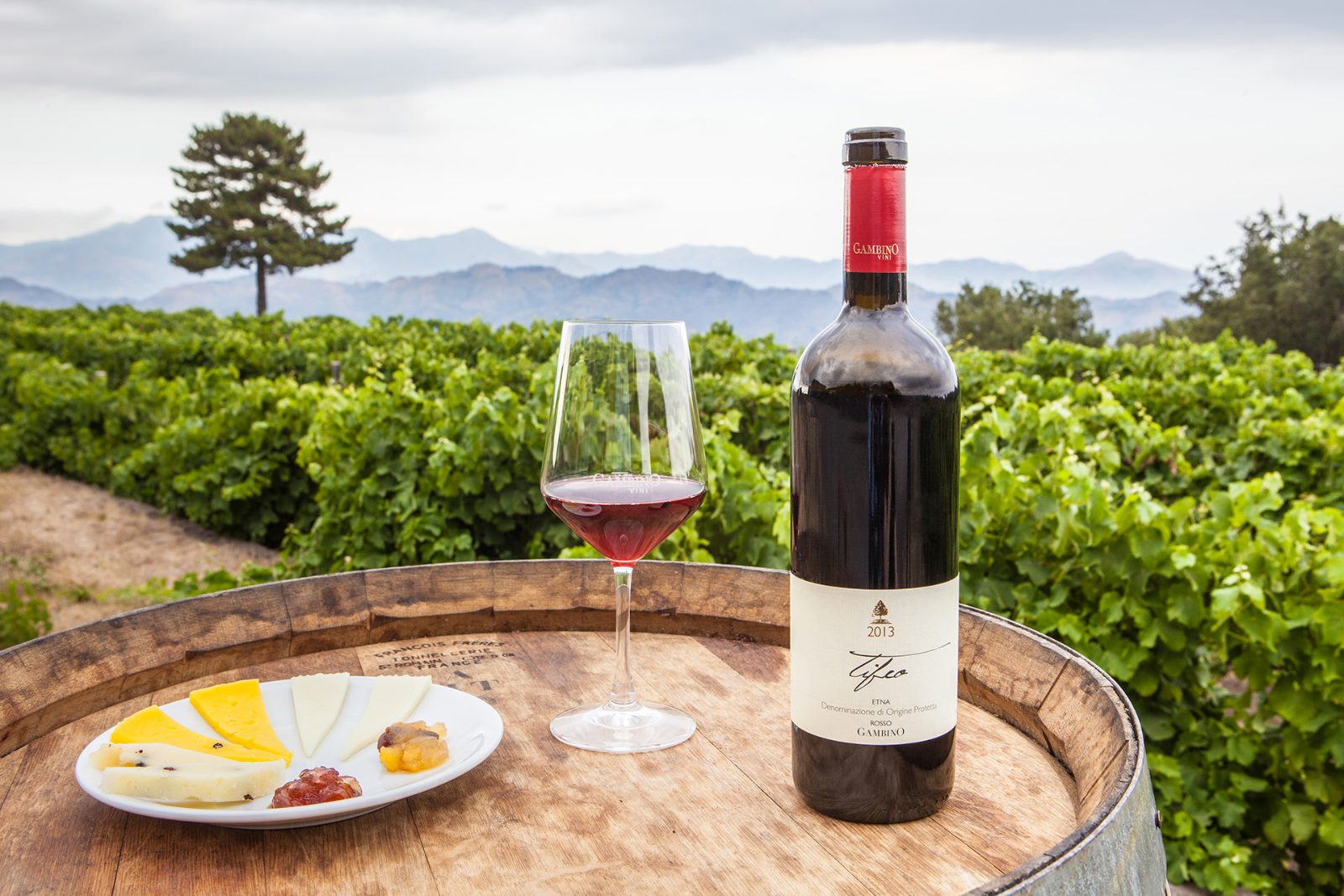
Sicily's wine country stretches across seven distinct denominations, each defined by elevation, proximity to the Mediterranean, and volcanic soil composition. Mount Etna alone hosts more than 140 wineries on its slopes, where vines grow in black lava sand at altitudes reaching 1,000 meters. The island's grape varieties—Nero d'Avola, Nerello Mascalese, Grillo, and Catarratto among them—reflect centuries of adaptation to intense sun and mineral-dense earth. Vineyard visits in Sicily wine tasting follow a structured format: most begin with a walk through the estate's rows, followed by a cellar tour explaining fermentation methods and aging processes, and conclude with a seated tasting of three to six wines. Smaller family operations often include conversations with winemakers themselves, while larger estates provide multilingual guides and formal tasting rooms. Many properties pair wines with local foods—aged cheeses, cured meats, olive oil, almond pastries—that highlight regional flavor profiles. Unlike northern Italian wine regions, Sicilian estates rarely offer drop-in visits; nearly all require booking at least 48 hours in advance. The island's wine geography divides into clear zones. Etna's north slope specializes in elegant, age-worthy reds from Nerello Mascalese. The southeastern corner around Vittoria produces full-bodied Cerasuolo di Vittoria, Sicily's only DOCG wine. Western Sicily centers on Marsala production, with historic cellars dating to the 18th century offering tours of barrel-lined warehouses and fortified wine education. Coastal vineyards near Trapani and Alcamo grow white varietals benefiting from sea breezes and limestone soils. Each winery sets its own policies for group size, language options, and whether children can attend. Some estates welcome walk-ins for purchases without formal tastings, but structured experiences—the main draw for visitors—require confirmation. The optimal season runs from late spring through early autumn, when harvest activity adds atmosphere and estates operate full schedules. Winter visits are possible but require checking individual winery calendars, as many reduce hours or close for maintenance between November and March.
“Mount Etna alone hosts more than 140 wineries on its slopes, where vines grow in black lava sand at altitudes reaching 1,000 meters.”
Optimal Daily and Seasonal Timing for Sicily Wine Tasting
The most effective time to experience Sicily wine tasting is during the shoulder seasons of spring and autumn, utilizing the recommended daily arrival window to avoid peak congestion. Planning visits between 10:00–16:00 ensures optimal access to vineyard tours and tastings.
Late Spring (May–June)
Moderate crowdsMild temperatures (20°C–25°C)
Vineyards are lush and green, providing comfortable conditions for outdoor tastings.
Harvest Season (September–October)
High crowdsWarm and pleasant (22°C–28°C)
This period offers the most authentic experience as wineries are active with grape harvesting.
Winter (November–March)
Low crowdsCool and variable (10°C–16°C)
Fewer visitors allow for more intimate interactions with winery staff and winemakers.
Daily Window (10:00–16:00)
Varies by season—
This arrival window is the optimal time for vineyard tours and tastings before evening restaurant crowds.
Verdict: For the best balance of weather and crowd levels, plan your visits between 10:00–16:00 during the months of May, June, September, or October.
Understanding Costs and Fees for Sicily Wine Tasting
There is no universal entrance fee for visiting wineries in Sicily, as costs are determined by individual estates based on their specific tasting and tour offerings. Expenses typically hinge on the number of wines selected and whether the experience includes food pairings or guided vineyard walks.
While facility entry is free, visitors should expect to pay variable fees for tastings depending on the selected winery and service package.
Getting to Locations for Sicily Wine Tasting
Sicily wine tasting experiences take place at multiple locations throughout the Sicily region, Italy. Due to the rural placement of many vineyard estates, securing private transport or joining an organized tour is the most practical way to reach these destinations.
SS114 or SP roads toward Etna/Val di Noto
Private hire from Catania or Palermo city centers
Regional bus services to rural village hubs
Etiquette for Sicily Wine Tasting Guests
Sicilian wineries are working estates where centuries-old traditions meet daily production schedules. Respectful conduct preserves the experience for future visitors and honors the winemakers' hospitality.
Do
- Confirm your reservation 24 hours in advance
- Arrive within your scheduled time window
- Spit into provided receptacles during multi-wine tastings
- Ask permission before photographing cellars or production areas
- Purchase at least one bottle when tasting is complimentary
- Silence your phone before entering tasting rooms
Don't
- Wear strong perfume or cologne to tastings
- Touch barrels, bottles, or equipment without invitation
- Bring children to adult-focused tasting experiences
- Show up without a reservation during harvest season
- Drink and drive on narrow Sicilian vineyard roads
- Criticize wines loudly in tasting rooms
Check availability
Frequently asked questions about sicily wine tasting
Everything you need to know about sicily wine tasting